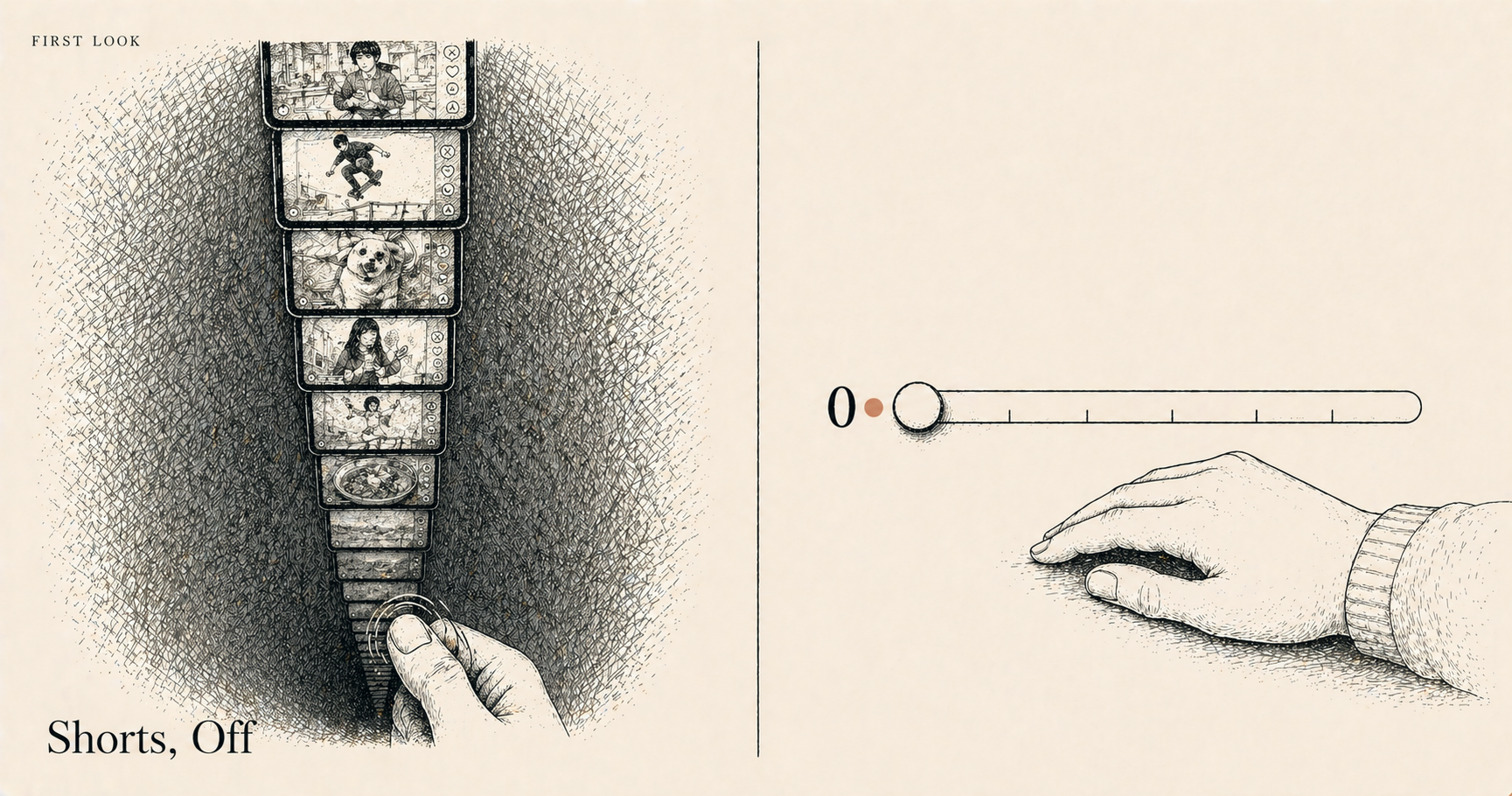
On April 15, 2026, YouTube started rolling out a setting that lets users drop their daily Shorts limit all the way down to zero minutes. Pick zero, and the Shorts tab disappears from the bottom bar and the Shorts shelf vanishes from the home feed. The change is hitting mobile apps first. Shorts still surface in the subscription feed and from direct links, but discovery for unsubscribed viewers just got a lot narrower. Here's what shifted — and how creators should respond.
What actually changed
YouTube first launched daily Shorts time limits in October 2025, with a 15-minute floor. In January 2026, the company flagged a "zero-minute" option as coming soon for supervised accounts. Between April 15–17, 2026, that option started reaching regular users.
YouTube spokesperson Makenzie Spiller confirmed to 9to5Google that the feature is "live for all parents, and is currently being rolled out to everyone." The setting is mobile-only for now. Desktop users still have to rely on third-party extensions.
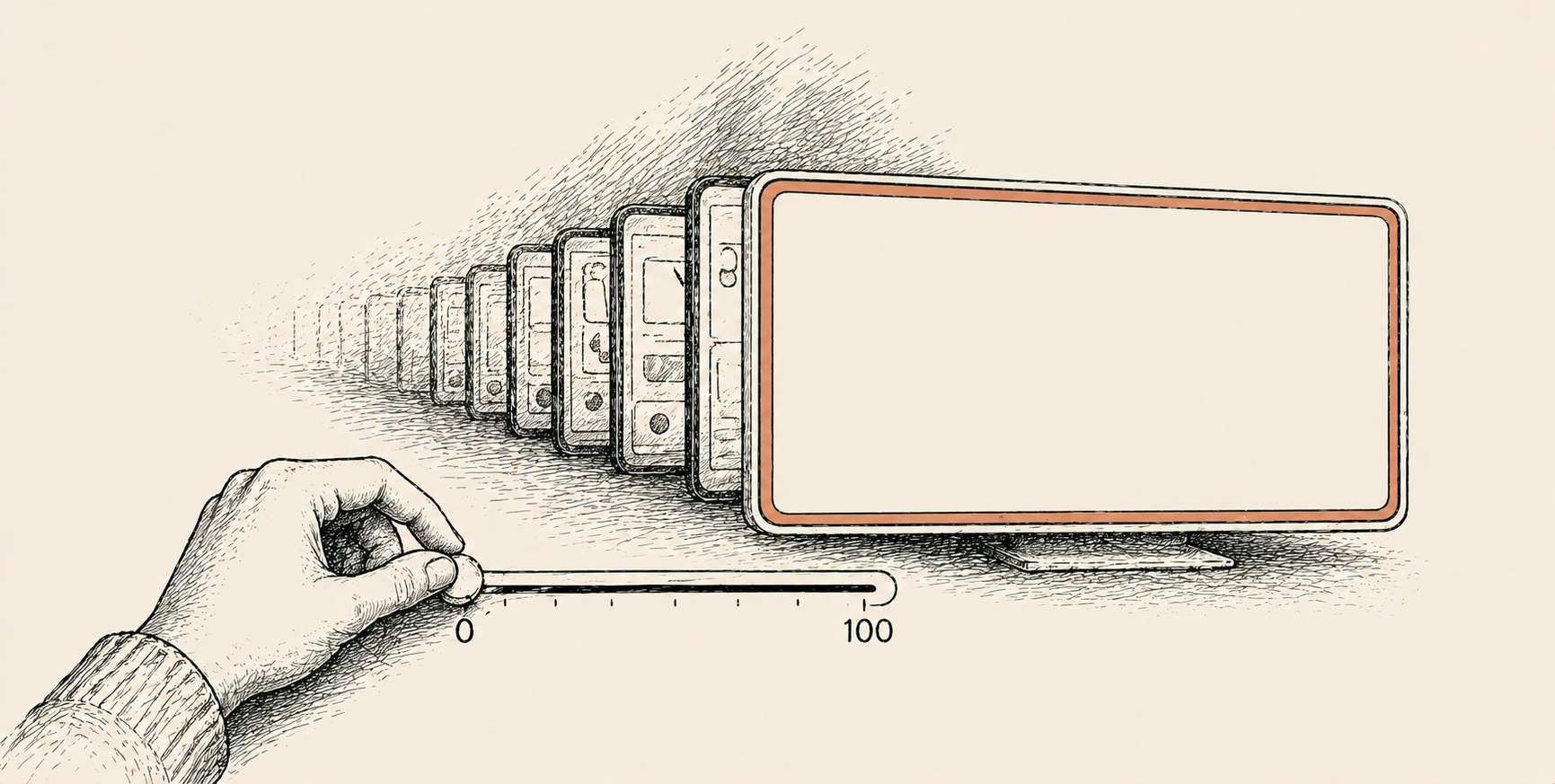
Tab always visible, feed always active.
Shorts tab hidden, home feed Shorts shelf removed.
What a zero-minute account looks like
For viewers who opt in, the YouTube mobile experience basically reverts to long-form YouTube. There are four concrete changes creators should know about.
The dedicated Shorts tab disappears from the bottom nav. Accidental scroll spirals, gone.
The Shorts carousel inside the home feed is removed. Only long-form recommendations appear.
Shorts from subscribed channels still appear in the Subscriptions tab. Loyal fans are unaffected.
Shared Shorts links and visits to a creator's profile page continue to play Shorts normally.
The real impact on creators
Industry analysts writing about the rollout keep landing on the same phrase: a discovery crack. Since 2023, Shorts has been one of the most effective entry points for new creators — the algorithm pushes short-form content to non-subscribers aggressively. For every viewer who chooses zero minutes, that pipeline closes.
① Smaller channels lose a key discovery engine.
The home feed leans heavily on watch history, which favors established creators. With fewer Shorts surfacing to cold viewers, breaking through becomes slower. Channels that grew from zero to ten thousand subscribers in a quarter by riding a single viral Short will find that path narrower — not closed, but narrower.
② The subscribe funnel matters more than ever.
Zero-minute users still see Shorts from channels they already subscribe to. That turns the subscribe prompt into the real growth lever. Every Short now needs a clean, specific "follow for more on X" beat. Generic "subscribe for more" lines have always been weak; this update makes the cost of that weakness measurable.
③ Impact is niche-dependent.
Entertainment and meme accounts take the bigger hit. Niches built around long-form intent — tutorials, reviews, how-tos — should feel less of it. Education viewers were never the ones maxing out on Shorts anyway, and the users most likely to flip the switch to zero are, by definition, the ones trying to reduce passive scrolling.
Three moves creators should make now
1. Diversify formats. If a channel is entirely Shorts, add at least one long-form upload per week (4–8 minutes). AI tools like TikTok's Smart Split make format repurposing cheap.
2. Rebuild the subscribe hook. Bake a 2-second "subscribe for more on [topic]" into the final beat of every Short. Zero-minute users can only find you through subscriptions and direct links.
3. Spread across platforms. Cross-post to TikTok and Instagram Reels. The platforms most exposed to YouTube's policy change are channels that live only on YouTube Shorts.
The bigger picture: control returns to users
This update is part of a multi-year pattern where YouTube has been adding viewer-side controls — screen time dashboards in 2024, Shorts-specific daily limits in October 2025, parental zero-minute options in January 2026, and now zero-minute for everyone. Each step hands the viewer a bit more of the control the recommendation algorithm used to own. For creators, that means growth strategies built purely around algorithm-pushed impressions are getting thinner every year.
This is not unique to YouTube. Instagram has been rolling out similar daily-time reminders, and TikTok's parental controls have expanded aggressively since 2025. Platforms are reading the regulatory and cultural winds around short-form attention. The creators who do best in this cycle are the ones who already have a habit loop that does not depend on surprise discovery — scheduled uploads, email lists, community tabs, and a clear content brand that viewers actively seek out. Everyone else is renting their audience from the recommendation feed, and the rent just went up.
What to watch next
Two open questions remain. First, YouTube has not shipped a zero-minute option on desktop. Second, the company has not released public data on how many users actually set it to zero. Track channel-level analytics (Shorts view-source breakdown in YouTube Studio, Social Blade, VidIQ) over the next one to two quarters to see whether non-subscriber Shorts impressions are shrinking.
A second signal to watch is how other platforms respond. If Instagram Reels or TikTok ship their own feed-off switches in response to regulatory pressure, the "diversify across short-form platforms" advice loses part of its hedge. In that scenario, the real moat shifts further toward long-form and owned audiences — email, community servers, and creator-owned websites. The playbook is already visible in Substack-native video creators and YouTube membership communities, and it quietly became the safer bet on April 15, 2026.
What External Algorithm Data Actually Shows
vidIQ's 2026 YouTube Shorts Algorithm guide explains the zero-minute view shift directly. "The key metrics for the Shorts algorithm are the Viewed vs. Swiped Away ratio, watch-time percentage, overall retention, and engagement via likes, comments, and shares" (source: vidIQ — YouTube Shorts Algorithm 2026). The decisive line in the same guide: "Since March 31, 2025, every Short play counts as a view with no minimum watch time required — but only 'Engaged Views', meaningful interactions, count toward YouTube Partner Program eligibility and revenue payouts." A zero-minute view registers as a view but not as monetized. The guide also states that "the ideal Average Percentage Viewed target is 75% or higher." Creator Jungbok's own operating window reads the same way — across 142 page views in the AI×creator trends category in our first month (GA4, week ending 2026-05-03), articles with low first-30s drop-off chained more reliably into the next piece. On Shorts too, viewer behavior is what draws the line.
- April 15, 2026 — YouTube enabled a zero-minute Shorts limit on mobile, rolling out gradually.
- At zero, the Shorts tab and home feed shelf disappear; subscription feed and direct links stay on.
- Creator playbook: add long-form, sharpen the subscribe hook, cross-post to TikTok and Reels.
- Entertainment channels feel it most; education and tutorial niches are largely insulated.
- 9to5Google (April 15, 2026) — YouTube Shorts are a lot easier to ignore with this new setting
- MediaPost (April 17, 2026) — YouTube Lets Users Remove Shorts From Its Home Feed Via Timer Setting
- hellopartner (April 21, 2026) — YouTube Just Gave Users the Option to Fully Disable Shorts: What do the Experts Say?